

Features

Efficiency

recommended frequency range

dimensions
Membrane material

linear motion
Features
Efficiency
recommended frequency range
dimensions
Membrane material
linear motion
Arcosia 28-1 Soft Dome Tweeter
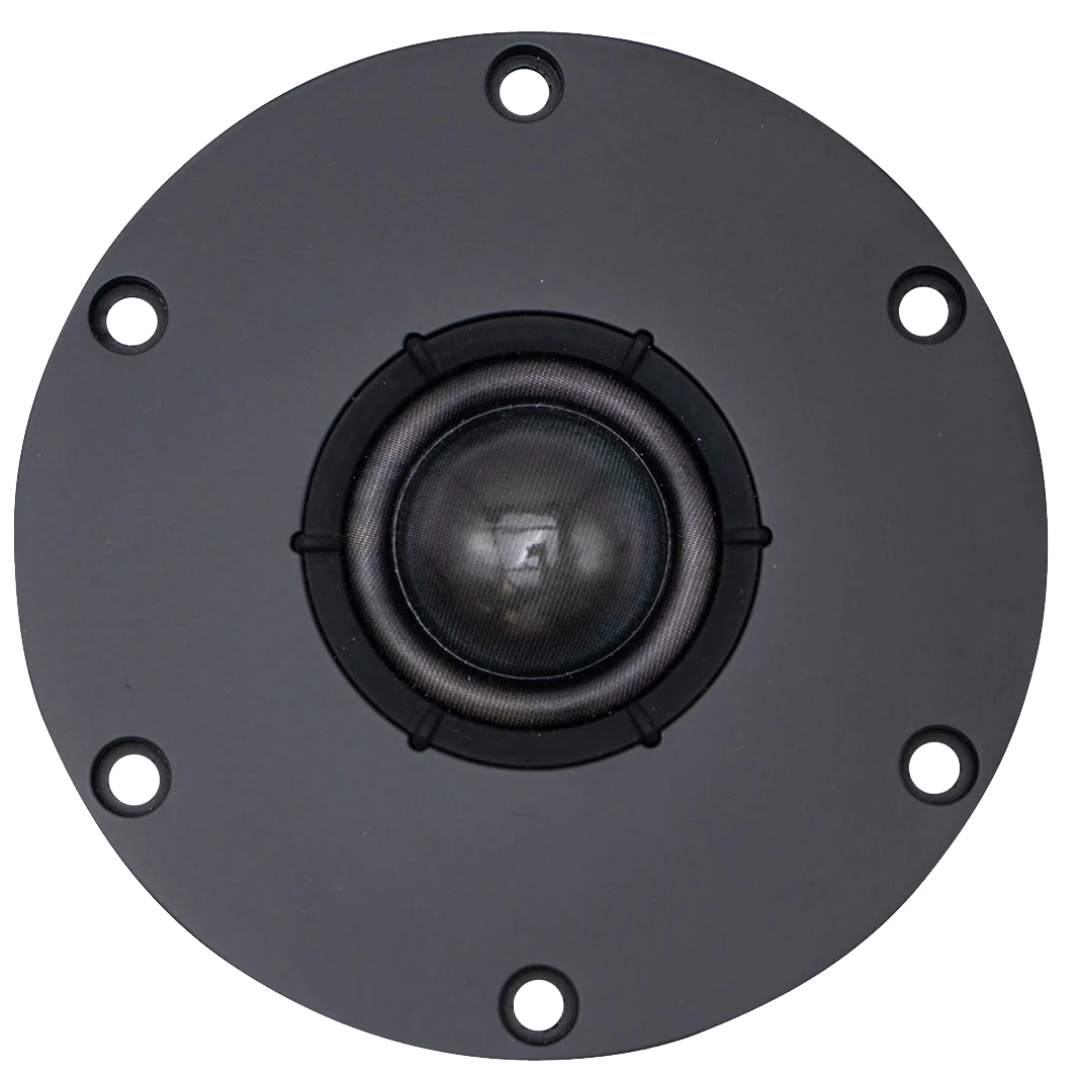
Der ETON Arcosia 28-1 ist ein Softdome-Hochtöner aus der ETON Lautsprecher Manufaktur – entwickelt für audiophile DIY-Lautsprecher-Projekte, die keinen Kompromiss beim Klang kennen. Die handaufgetragene, hochabsorbierende Beschichtung der Gewebekalotte ist das Herzstück dieses Treibers: Sie sorgt für ein neutrales, feines und warmes Klangbild, das selbst anspruchsvollste Hörer überzeugt.
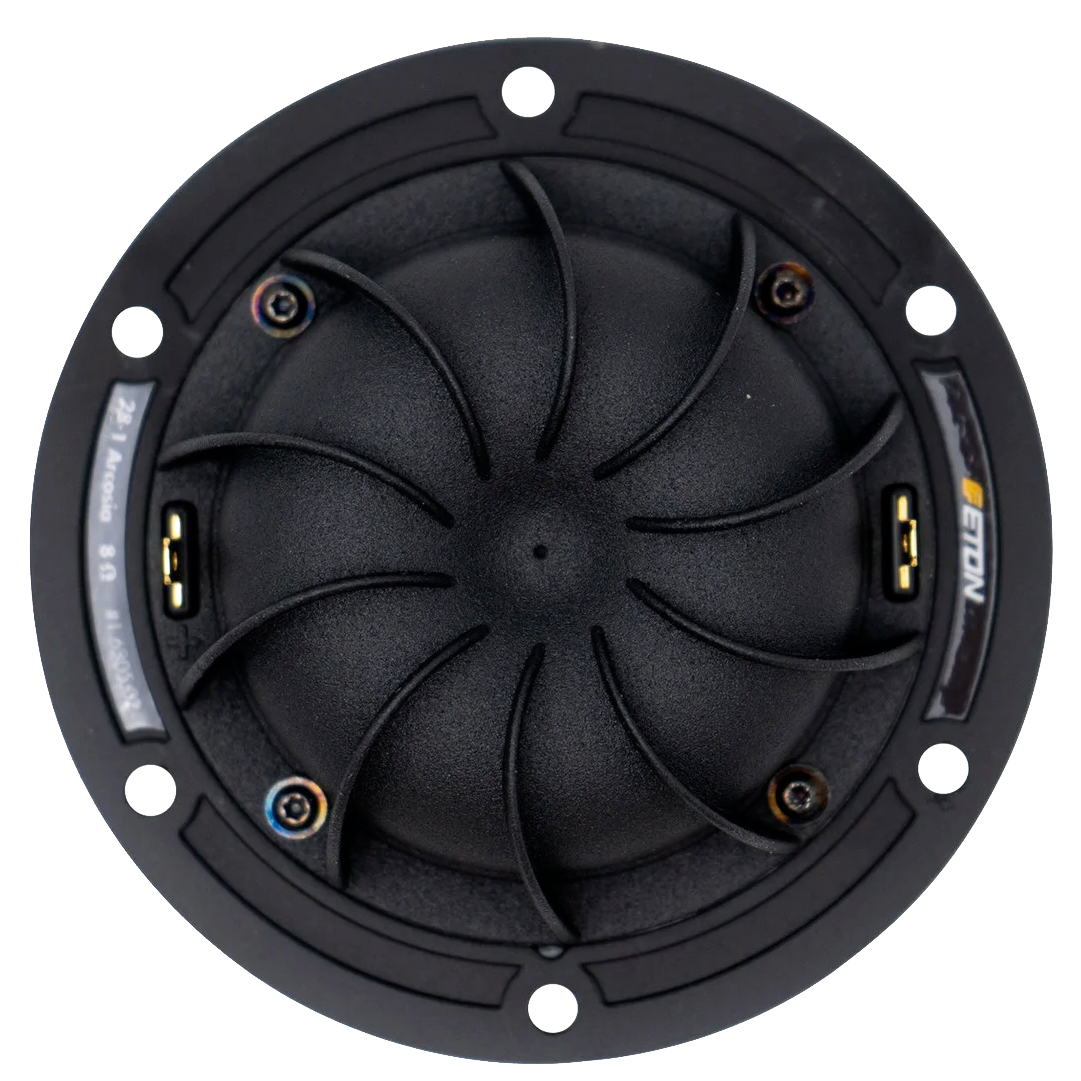
Das großzügig eingekoppelte Volumen senkt die Resonanzfrequenz spürbar ab – für eine nahtlose, natürliche Anbindung an den Mitteltonbereich. Die speziell belüftete Schwingspule und die präzise abgestimmte Neodym-Magnetgeometrie (1,63 T) garantieren außergewöhnliche Impulstreue und ein kontrolliertes Schwingungsverhalten – auch bei hohen Pegeln bis 150 W.
Warum der Arcosia 28-1 für Ihr DIY-Projekt?
- ✦ Handgefertigte Kalottenbeschichtung – jeder Treiber ein Unikat aus der ETON Manufaktur
- ✦ 28 mm Schwingspule aus CCAW auf Aluminium-Träger – leicht, präzise, schnell
- ✦ Neodym-Antrieb im Unterhang-System – maximale Kontrolle, minimale Verzerrung
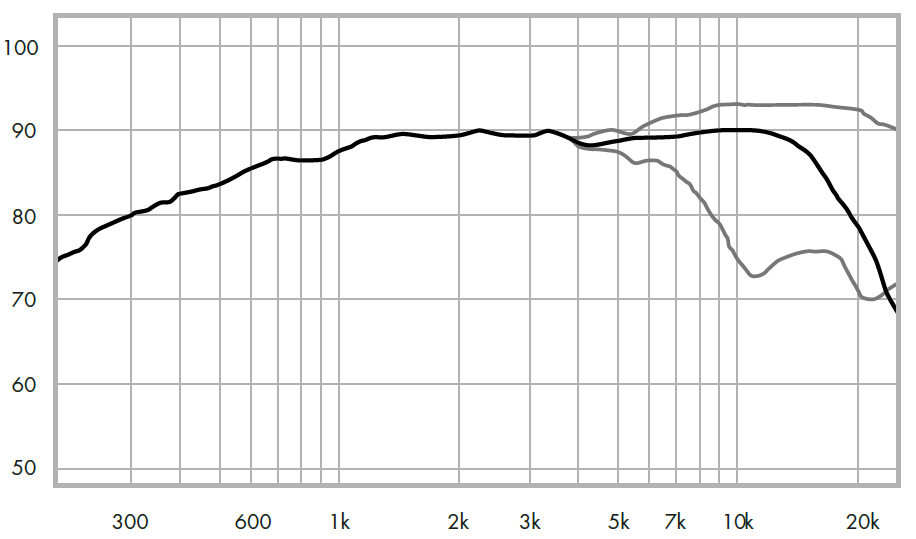
- ✦ 91 dB Wirkungsgrad – ideal für passive Frequenzweichen-Designs
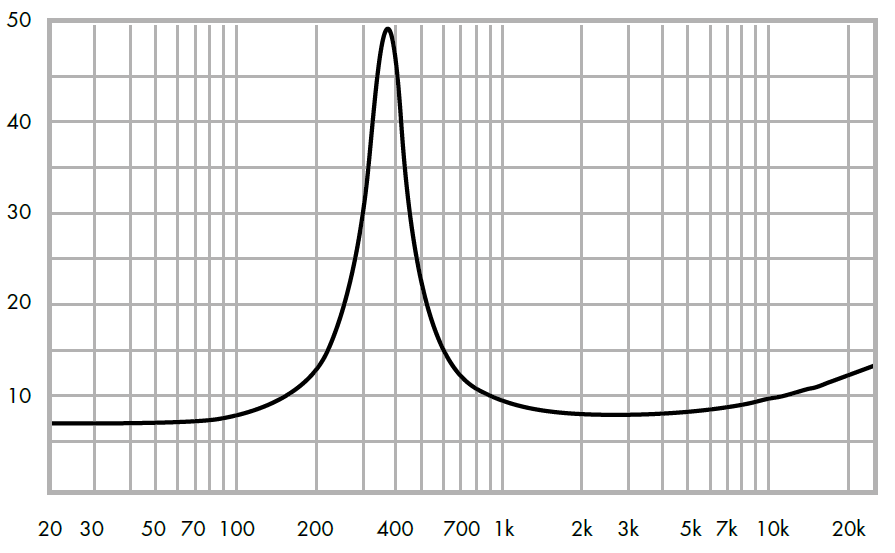
- ✦ 8 Ohm Nennimpedanz – kompatibel mit allen gängigen DIY-Verstärker-Topologien
- ✦ Resonanzfrequenz 390 Hz – tiefe Trennfrequenz möglich, breite Einsatzbandbreite
Ob klassische Bücherregal-Konstruktion, High-End-Standlautsprecher oder modernes Bluetooth-Speaker-Projekt – der Arcosia 28-1 liefert die Hochtonpräzision, die Ihr Lautsprecher-Selbstbau verdient. Kombinieren Sie ihn mit hochwertigen Mittel- und Tieftönern aus unserem Sortiment für ein vollständiges, audiophiles DIY-System.

150 W power handling (IEC 60268-5): Maximum headroom in the entire ETON tweeter range – for high-output high-end systems without compromise.
Soft dome diaphragm: warm, smooth sound with natural spatial imaging – for long listening sessions without fatigue.

Resonance frequency 390 Hz / 91 dB: Deep resonance for maximum flexibility in crossover frequency, high efficiency for high-efficiency systems.

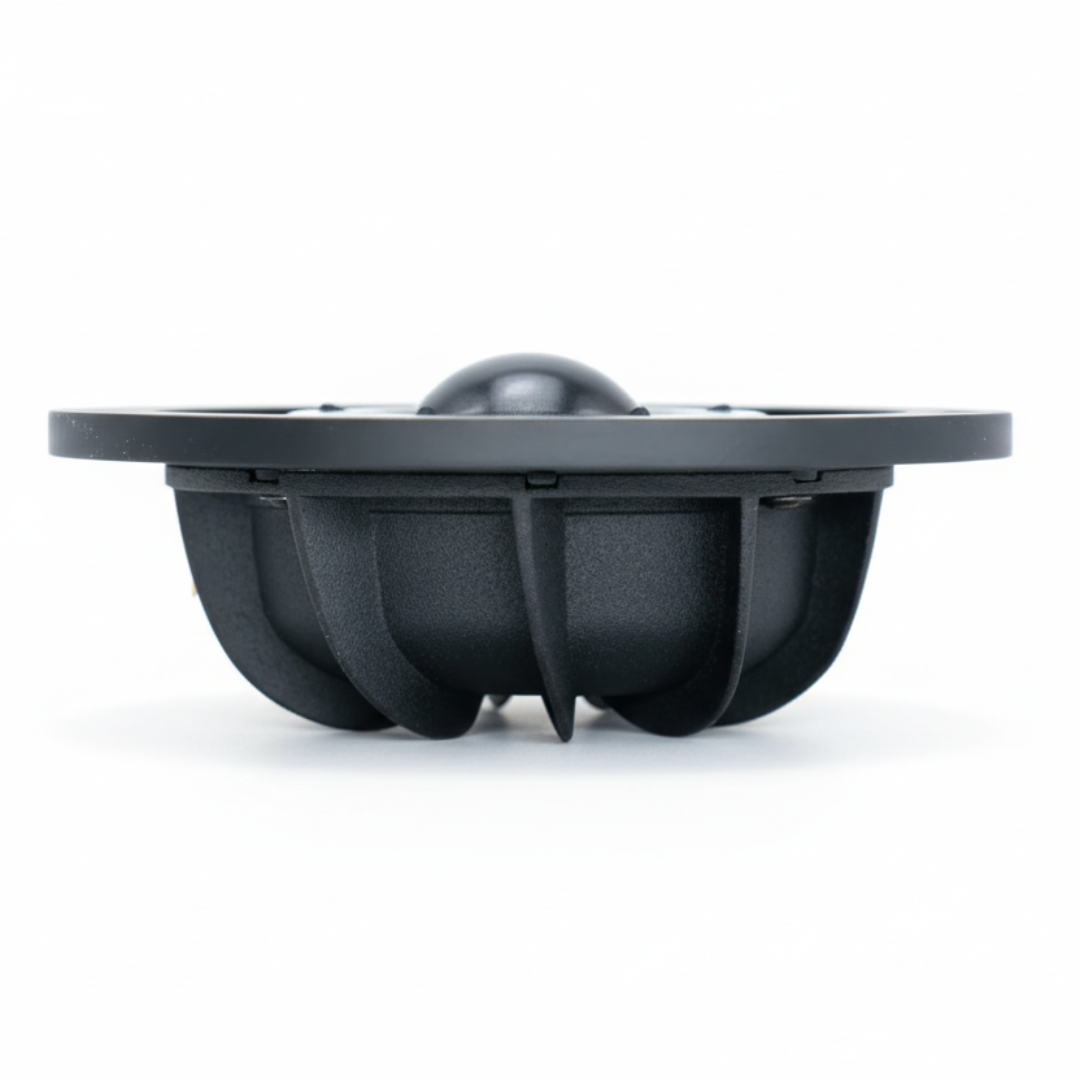
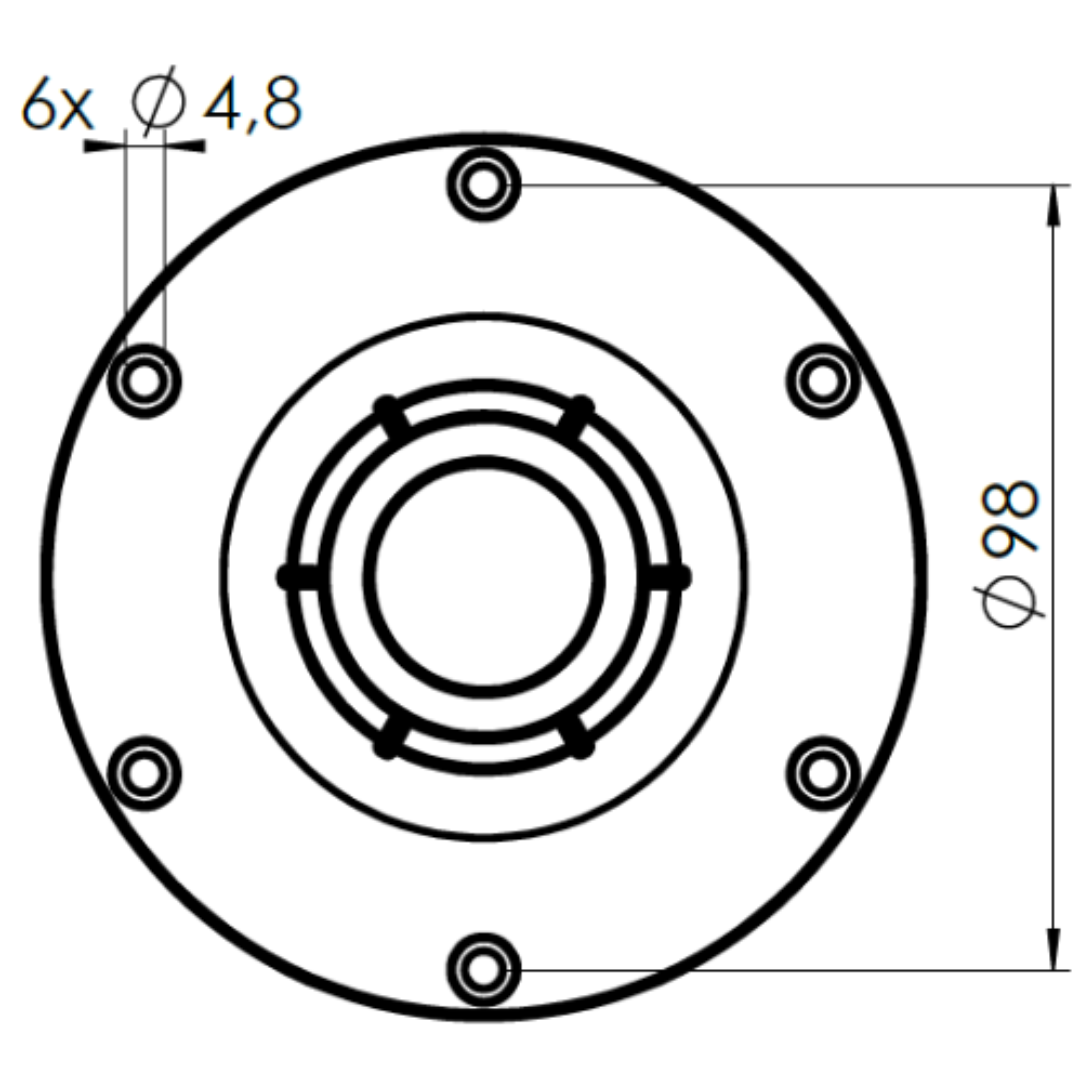
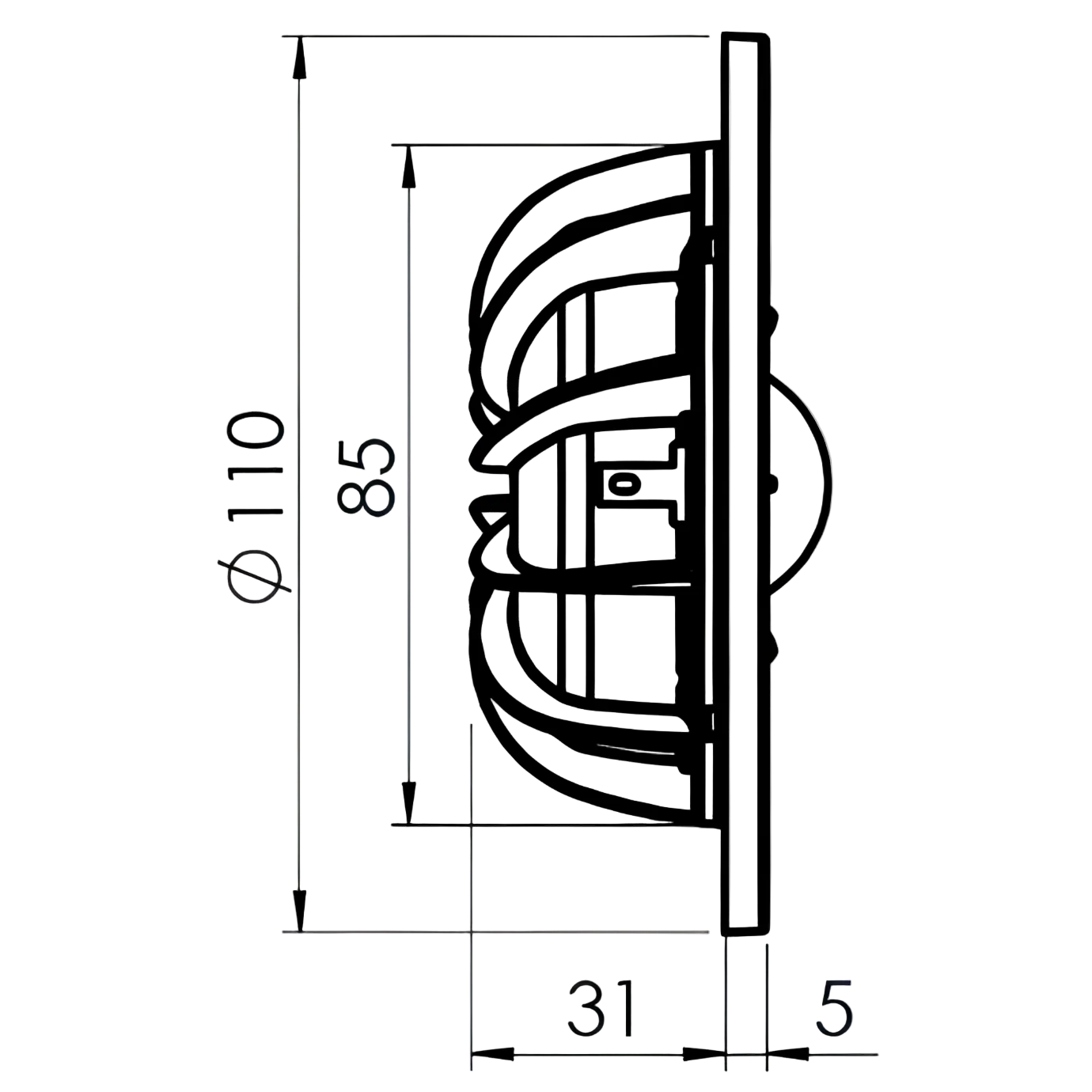
110 mm Ø, 36 mm mounting depth, 0.48 kg: Largest format in the ETON soft-dome range – with Le = 0.02 mH for particularly simple crossover design.
Pairs well with
Fast shipping
Try it risk-free for 30 days
2-year manufacturer's warranty
Made in Germany
Arcosia 28-1 Soft Dome Tweeter
Wenn Sie Fragen haben, können Sie sich jederzeit gerne an uns wenden. Wir melden uns so schnell wie möglich bei Ihnen, an Werktagen innerhalb von 24 Stunden.
-
Versandinformationen
Wir beantworten Dir gerne deine Frage zum Versand unserer Produkte oder der Verfügbarkeit in deinem Land.
-
Customer service
Du hast nicht alle Informationen gefunden? Oder du möchtest eine persönliche Beratung haben? Melde dich bei uns.
-
FAQ’s
Du hast unsere FAQ's schon gesehen aber deine Frage war nicht mit dabei? Wir freuen uns auf den persönlichen Kontakt mit Dir!
-
Kontaktiere uns
Nutze unser Kontaktformular oder schreibe uns eine Mail aus Deinem Postfach.
Product Specification
Dimensions and installation
Voice coil
Magnetic drive
Technical data
Downloads
FAQs
Frequently asked question
Use this text to answer questions in as much detail as possible for your customers.
Frequently asked question
Use this text to answer questions in as much detail as possible for your customers.
Frequently asked question
Use this text to answer questions in as much detail as possible for your customers.
Frequently asked question
Use this text to answer questions in as much detail as possible for your customers.
Frequently asked question
Use this text to answer questions in as much detail as possible for your customers.